Thinking about trading city life for more space while staying connected to Chicago? If you are picturing stroller-friendly parks, strong schools, and a lively downtown, Naperville may be on your shortlist. You want a clear picture of costs, commutes, and day-to-day life before you commit. This guide walks you through schools, parks, housing and taxes, transit, healthcare, and practical tips for families moving to Naperville. Let’s dive in.
Schools and childcare
Public schools: D203 and D204
Naperville is primarily served by two public districts: Naperville Community Unit School District 203 and Indian Prairie School District 204. Both districts are known for strong academics, AP and dual-credit options, and a wide range of extracurriculars. School assignments depend on your exact address, so confirm attendance boundaries before you tour homes. For performance data and accountability reports, review the state’s Illinois Report Card.
Early education and childcare
You will find a robust mix of daycare centers, preschool co-ops, and home-based providers across the city. Popular centers may have waitlists, especially for infant care and summer start dates. Call early to confirm openings and registration timelines. If you are relocating mid-year, ask providers about rolling enrollment.
Youth activities and programs
The Naperville Park District offers sports leagues, swim lessons, and summer camps, and many programs fill quickly. Browse upcoming sessions and registration dates at the Naperville Park District. The Naperville Public Library hosts storytimes, summer reading, and homework help; check branch calendars at the Naperville Public Library.
Parks and family fun
Riverwalk and downtown
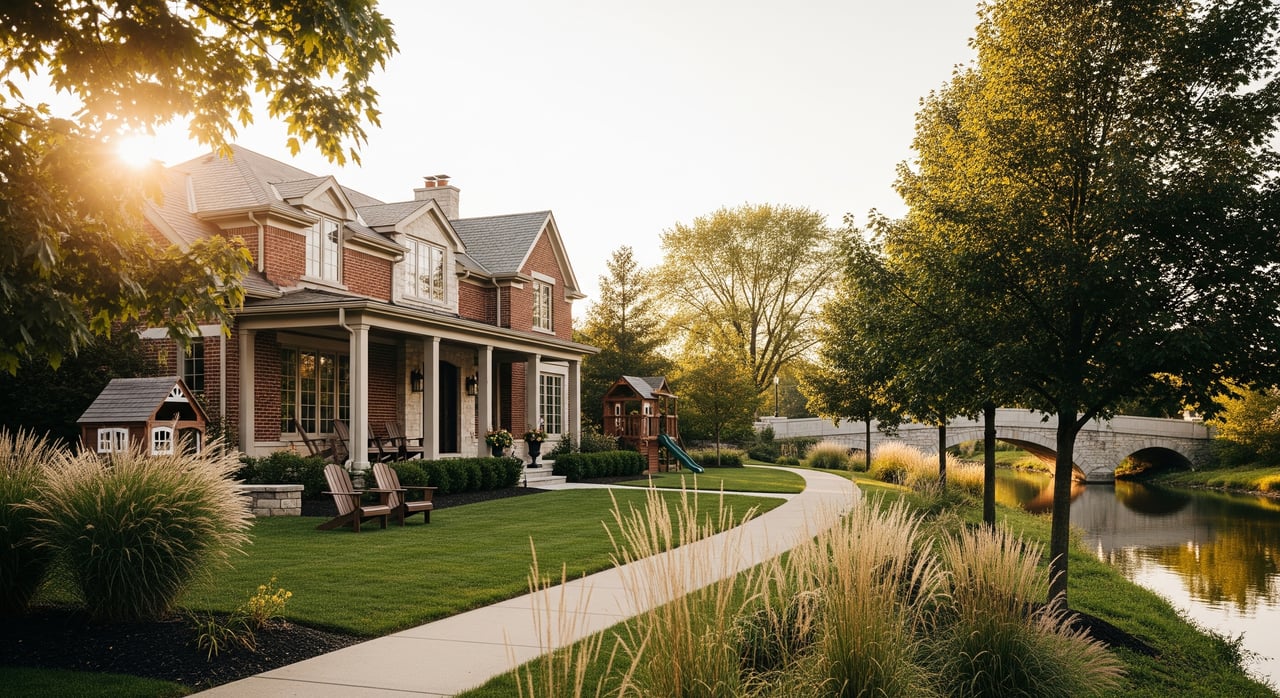
Naperville’s downtown and Riverwalk area are easy weekend wins with paths, bridges, and frequent community events. The Riverwalk connects to parks, playgrounds, and dining, so you can plan short outings with kids of different ages. Centennial Beach, a historic swimming facility, is a seasonal favorite.
Standout family venues
- DuPage Children’s Museum features hands-on exhibits for early learners. See hours and exhibits at the DuPage Children’s Museum.
- Naper Settlement offers a living history experience and family programs. Explore what’s on at Naper Settlement.
- Neighborhood parks and natural areas provide space for biking, soccer, and picnic days.
Camps and seasonal tips
Summer camps and swim passes are popular. If you plan a summer move, register early with the Park District and library. For winter, look for indoor play options, library programs, and ice-skating sessions when available.
Housing and household costs
Home types and pricing basics
Naperville offers a mix of older subdivisions, newer builds, townhomes, and condos, plus higher-density options near transit and downtown. Many family-sized homes with 3 to 4 bedrooms are common. Prices tend to sit above regional and national averages, and townhomes or condos often provide a lower-cost entry point compared with single-family homes. Inventory and pricing change quickly, so ask for current data before you set your budget.
Property taxes and utilities
Illinois has some of the highest property taxes in the country, and local tax levies for schools, parks, and libraries are part of your total bill. To estimate a specific parcel’s taxes or learn about billing cycles, start with the DuPage County Treasurer. When modeling your monthly payment, include taxes, homeowners insurance, utilities, and any HOA dues.
Renting vs. buying
Renting can be a helpful bridge if you need time to learn the area or wait for a specific school assignment. Naperville’s rental inventory is smaller than Chicago’s, and some communities have HOA rules that affect pets, parking, or exterior changes. Buying often makes sense if you plan to stay several years and value school consistency and neighborhood stability.
Commute and getting around
Metra to Chicago
Metra’s BNSF Railway Line stops in Naperville and runs to Chicago Union Station. Typical express trains take roughly 35 to 45 minutes, with frequent service during rush hours and less frequent midday and on weekends. Review current timetables on the Metra BNSF Line. Station parking permits and daily lots are in high demand, so factor that into your routine.
Driving and parking
I-88 runs north of the city for east–west trips across the suburbs, and IL-59 and Ogden Avenue serve many local routes. Drive times to downtown Chicago vary widely by time of day and weather. If you expect frequent city commutes, proximity to a Metra station or highway on-ramp will likely be a top priority.
Local transit
Pace bus routes provide limited local coverage. Many families rely on cars for school, activities, and errands, especially outside transit corridors.
Community, safety, and healthcare
Community life
Naperville blends an active downtown with quiet residential areas. You will find seasonal festivals, farmers markets, holiday parades, and volunteer opportunities through schools and local groups. Check city and park calendars for current event schedules.
Safety and resources
Historically, Naperville reports violent crime rates below national averages for similar-sized cities. As with any community, incidents still occur. If safety is important in your search, review up-to-date resources and crime maps from official sources before you buy or rent.
Healthcare access
Edward Hospital is a major full-service facility offering ER, maternity, and pediatric care within the city. Learn about services at Edward Hospital. You will also find primary care, urgent care, and specialty clinics throughout Naperville. For specialized pediatric needs, many families travel to larger regional centers in the Chicago area.
Weather and planning
Expect four true seasons: hot, humid summers and cold, snowy winters. Plan for snow removal, heating costs, and winterized vehicles. Summer brings outdoor festivals and pool days, so consider swim passes or camp registrations early.
How to start your search
- Confirm desired school attendance areas using D203 and D204 resources.
- Decide your commute plan. If you will ride Metra, map your route and parking using the BNSF schedule.
- Build a realistic budget that includes mortgage, insurance, utilities, and property taxes via the DuPage County Treasurer.
- Tour neighborhoods at different times to assess traffic, noise, and park access.
- Call childcare providers and youth programs early to understand waitlists and enrollment windows.
Ready to talk next steps or compare Naperville to nearby suburbs? Get a calm, process-driven plan with bilingual guidance. Connect with Salma Torres for buyer representation, relocation support, and a clear path from city condo to suburban home.
FAQs
How do Naperville public school assignments work for new families?
- School placement depends on your address; verify boundaries directly with District 203 and District 204, and review performance on the Illinois Report Card.
How long is the Metra commute from Naperville to downtown Chicago?
- Typical express trips on the BNSF Line are roughly 35 to 45 minutes; check current timetables and parking details on the Metra BNSF Line.
What should I budget for property taxes when buying in Naperville?
- Illinois property taxes are among the highest in the U.S.; estimate parcel-specific bills and billing cycles via the DuPage County Treasurer.
What family activities are popular on weekends in Naperville?
- Families enjoy the Riverwalk, neighborhood parks, Centennial Beach in season, and cultural stops like the DuPage Children’s Museum and Naper Settlement.
Are there enough childcare and preschool options for newcomers?
- Naperville has many options, but desirable centers often have waitlists; call providers early to ask about openings, tour dates, and registration timelines.
Where can I find indoor activities for kids during winter?
- Look for library storytimes and programs at the Naperville Public Library and Park District classes and gyms via the Naperville Park District.