Wondering why some Naperville homes feel unforgettable the moment buyers see them online? In a market with high home values, a large housing stock, and buyers who expect polished presentation, staging can make your home feel move-in ready instead of work-in-progress. If you want your home to stand out, photograph beautifully, and help buyers picture their future there, this guide will walk you through what matters most. Let’s dive in.
Why staging matters in Naperville
Naperville is a large suburban market with more than 153,000 residents, over 58,000 housing units, and a median housing value of $579,200. In a market like this, presentation matters because buyers often compare several well-kept homes before deciding which ones to tour.
Staging is not about making your house look trendy or fake. It is about decluttering, styling, and arranging each space so buyers can see the home clearly and imagine living there. According to the 2025 Profile of Home Staging, 83% of buyers’ agents said staging made it easier for buyers to visualize a home as their future home.
Staging may also affect your bottom line and timing. In that same report, 29% of buyers’ agents said staging increased the dollar value offered by 1% to 10%, and 49% of sellers’ agents said it reduced time on market. That does not mean every staged home will sell faster or for more, but it does show why staging is worth taking seriously.
Start with a buyer-ready mindset
Before you move a single chair, think about your home the way a buyer will. Your goal is to make each room feel clean, open, bright, and easy to understand. Buyers should notice the space first, not your collections, overflowing storage, or extra furniture.
In Naperville, that polished look matters both in person and online. Photos are the most useful feature in online home search for 81% of buyers who used the internet, and buyers’ agents rate photos as the top listing tool. That means your staging plan should be built for both showings and the camera.
Focus on the rooms that matter most
The most important spaces to stage are the living room, primary bedroom, and kitchen. Buyers’ agents ranked the living room first at 37%, followed by the primary bedroom at 34% and the kitchen at 23%.
That does not mean you should ignore the rest of the home. It means those priority rooms deserve extra attention because they often shape a buyer’s first impression and emotional response.
Boost curb appeal for Naperville weather
Naperville sellers should start outside. With Chicago-area annual averages of 36.3 inches of snowfall and 36.89 inches of precipitation, your exterior needs to look cared for through changing seasons.
Before photos or showings, clean the walkway, clear away leaves, remove visible clutter, and make sure the porch feels tidy. Watch for salt residue, wet surfaces, and seasonal debris, since those details can make the entry feel neglected.
Refresh the front entry
The front door area sets the tone for the whole showing. A clean doormat, manicured landscaping, and a couple of small potted plants can help the entrance feel welcoming without looking busy.
Pay special attention to high-traffic areas. The steps, porch, and entry path should feel safe, simple, and clean. In photos, this area often becomes part of the first impression before buyers ever step inside.
Open up the living room
The living room is the top space to stage, so aim for openness and balance. Remove bulky furniture that makes the room feel tight, and keep the layout easy to walk through.
Neutral colors tend to photograph well and help the room feel calm. Let in as much natural light as possible, and keep décor streamlined so buyers can understand the size and function of the space right away.
Make scale easy to read
One common mistake is overcrowding a room. Too many chairs, oversized sectionals, or extra accent pieces can make a generous room feel smaller than it is.
Try to create a simple conversation area with clear pathways around it. If a piece of furniture blocks light, interrupts flow, or makes the room feel crowded, it is probably better to remove it.
Simplify the kitchen and dining area
In the kitchen, clean and functional beats decorative every time. Clear the counters as much as possible so buyers can see prep space, storage, and layout.
Deep cleaning matters here. Buyers notice sinks, appliances, cabinet fronts, and lighting, so make sure every surface feels fresh and maintained.
Define where people gather
If your kitchen connects to a breakfast nook or dining area, make that eating space obvious. Buyers should immediately understand where meals happen and how the spaces connect.
A simple table setting can help, but do not overdo it. The goal is clarity, not clutter. In listing photos, a clearly defined dining area helps the home read as practical and easy to live in.
Create a calm primary bedroom
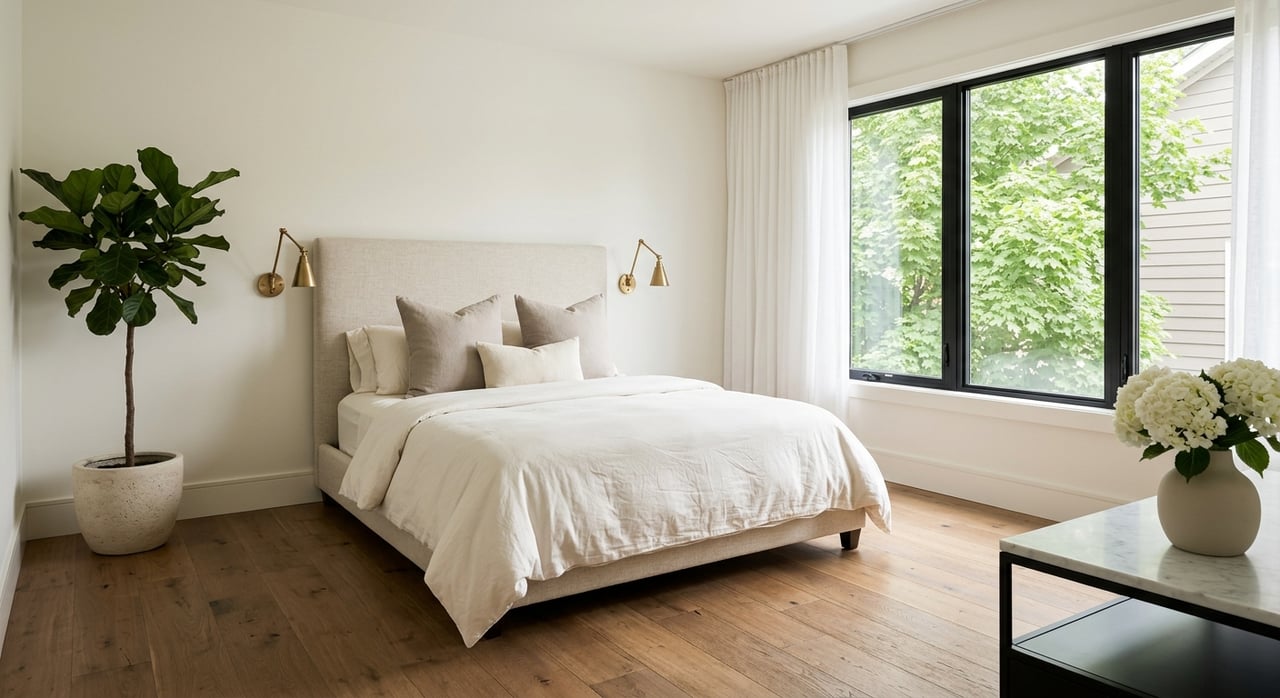
Your primary bedroom should feel restful and simple, almost like a hotel. Fresh bedding, neutral colors, and limited personal items can go a long way.
Make the bed neatly, remove pet beds or crates, and edit down furniture if the room feels crowded. Buyers respond best when the room feels peaceful and easy to settle into.
Edit closets and storage
Closets matter more than many sellers expect. A packed closet suggests the home may not have enough storage, even when it does.
Try to keep closets about half full so buyers can see the actual space. Organized shelves and hanging items also help the home feel well maintained.
Give secondary bedrooms a clear purpose
Extra bedrooms should look intentional. They can function as bedrooms, guest rooms, or flex spaces, but they should not feel like storage overflow.
If you use one room for multiple purposes, keep the setup simple so buyers can still understand the room size and layout. A clear function helps buyers connect the home to their own needs.
Brighten bathrooms and bonus spaces
Bathrooms should feel bright, clean, and spare. Pack away toiletries, medicines, and personal items, then add fresh towels for a crisp finish.
Bonus spaces can also influence buyers. Home offices, guest areas, and other flexible rooms stand out because many buyers want spaces that can adapt to work, hobbies, or visitors.
Stage outdoor living too
Usable outdoor space matters. If you have a patio, deck, or backyard seating area, keep it clean and easy to understand.
A few well-placed pieces can help buyers picture how the space works, but keep the area uncluttered. In Naperville, where mature trees and outdoor living can add appeal, a tidy yard can strengthen the overall impression.
Stage for photos, not just showings
Your home should be fully staged before photography happens. Since photos are the most useful online search feature for buyers, your listing images need to show a clean, bright, and uncluttered home from the very first image.
That first photo matters a lot because it sets expectations for the rest of the listing. If the opening image feels dark, crowded, or distracting, buyers may never click further.
Keep images truthful
If virtual staging or digital edits are used, the listing should still present a true picture of the home. Material changes to photos should be disclosed so buyers get an accurate impression.
That is especially important if a room is vacant or hard to read. The goal is to help buyers understand the space, not mislead them.
When professional staging is worth it
Some homes benefit more from professional staging than others. Vacant homes, cluttered homes, or homes with awkward room layouts often need extra help because empty rooms can feel smaller and less inviting.
The 2025 Profile of Home Staging reports a median spend of $1,500 for a staging service, compared with $500 when the seller’s agent personally staged the home. Depending on the home, that investment may support stronger photos, clearer room flow, and a better overall presentation.
A simple staging checklist for sellers
If you want a practical place to start, focus on these basics:
- Declutter every room
- Remove bulky or extra furniture
- Deep clean kitchens and bathrooms
- Pack away personal items
- Make beds with fresh, simple bedding
- Organize closets so they feel spacious
- Maximize natural light
- Tidy the front entry and walkway
- Clear seasonal debris outside
- Finish staging before photos are taken
Why local guidance helps
Every home has different strengths, and the right staging plan depends on your layout, price point, condition, and likely buyer expectations. In Naperville, buyers often respond to homes that feel bright, well cared for, and easy to move into.
That is where thoughtful, hands-on guidance can make a real difference. With a strong eye for presentation and a process-driven approach, you can make smart updates without wasting time or money on the wrong details.
If you are getting ready to sell in Naperville and want help deciding what to stage, what to store, and how to present your home for the market, Salma Torres can help you create a clear plan that fits your goals.
FAQs
What does home staging mean for a Naperville seller?
- Home staging means preparing your home so buyers can see it at its best through decluttering, cleaning, furniture arrangement, and simple styling.
Which rooms should you stage first in a Naperville home?
- Start with the living room, primary bedroom, and kitchen, since these are the highest-priority spaces according to the 2025 Profile of Home Staging.
How does staging help online listing photos in Naperville?
- Staging helps your home look brighter, cleaner, and easier to understand in photos, which matters because buyers rate photos as the most useful online search feature.
Should you stage a vacant home in Naperville?
- A vacant home can benefit from staging because empty rooms may feel smaller and less inviting, especially in listing photos.
What outdoor staging matters most for a Naperville home sale?
- Focus on a clean walkway, tidy porch, neat landscaping, and removal of snow residue, leaves, or other seasonal debris so the entry feels well cared for.
Is professional home staging worth the cost for a Naperville listing?
- It can be worth it for vacant, cluttered, or hard-to-read homes because professional staging may improve presentation, buyer understanding, and overall marketability.